Archive for January 2009
:: Ahoy – me van ::
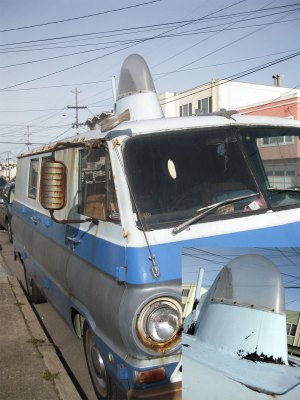
I think this van totally rocks.. with its post-fab-sea-farin’-observation-bubble-&-all
Yup!!
“Ahoy! I spot an exit cap’n about 10 knots to me starboard.. shiver me timbers there’s a White Castle there too .. yarrrrrrr”
:: Willie Nelson @ Fillmore ::

strummin on Trigger (which he has said before once she becomes unplayable, he will retire)
Last night, Friday the 16th, Willie Nelson started another sold out 5 night run at the Fillmore. BMI honored this man at its 55th Country Music Awards in November of 2007.

tour bus shot
I think Wikipedia sums it up best : “Willie Nelson is widely recognized as an American icon. His distinctive music and other social and political activities sometimes take a backseat to his pop-culture public image (firmly grounded in the acknowledged reality of his life) – that of an elderly, lifelong marijuana-smoking, tax-evading, biodiesel-burning, old-school cowboy-hippie troubadour.”
Willie has been playing in a band professionally since he was 10 years old. When he was a teen-ager he joined a Western swing band. He has literally played with hundreds of well known fellow musicians over the years and even had his times on the big screen.

Willie’s son, Lukas, on the right, opened for his dad with his current project The Promise of the Real

the bandana soon got hurled into the crowd.

Flickr set here.
:: Bad Vibes Bob ::

on January 8th, 2009, the Sherry Mae washed ashore at Ocean Beach. From the searches I did on teh google no one really knows if the Sherry Mae owners are aware that their 30’+ boat is now quite lonely (aside from the scavengers plundering her remains). Although I’m sure the Coast Guard and local officials have contacted them.
Many more people are wondering what exactly does “Bad Vibes Bob” mean? Being an Ocean Beach(er) I can tell you this — he was a legendary, humorous heckler amongst the surf krews here that would give newcomers a very hard time.

:: Sunsets and WordPress ::

catching Capitola Pier at Sunset


friend catches a sunball

amazing.
also.. i have switched over to WordPress..bare with me while I iron out any kinks.
:: UrbEx Series : Rispin Mansion pt 2 ::
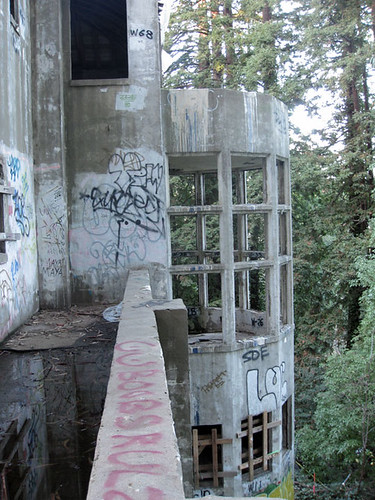
today we continue (click here for part 1) our journey through the eerie history of an abandoned home known as Rispin Mansion.
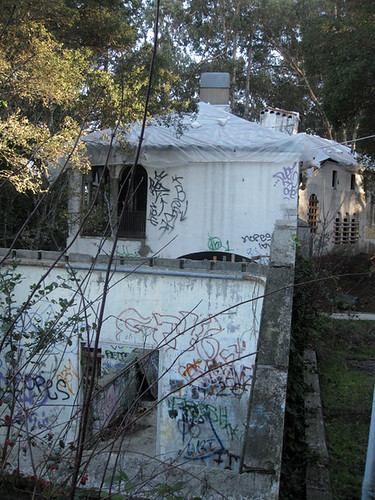

Even if these stories aren’t true, its foreboding presence, and the fact people died at the house, thrown in with the discovery of hidden passages and secret rooms, just provides a rich and spooky history.
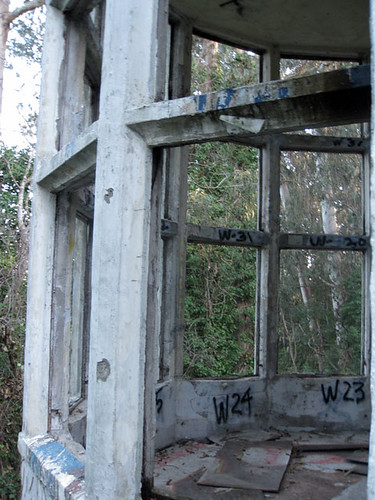
and finally..
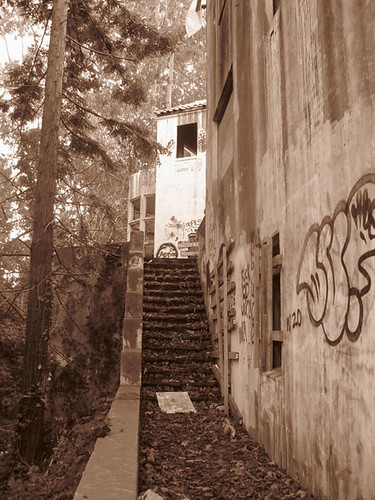
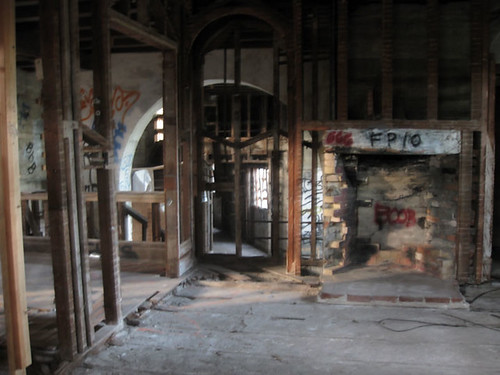
In this photo above I want you to focus on the main window above the steps — in this same window, in a 1931 picture appears the ghost of the Lady in Black — Click here for that image and see if you spot her. In that picture people say the Lady in Black is clearly visible with even bible in hand. Stories abound of her ghost roaming halls, unlocking heavily bolted doors and windows. Furthermore, other stories of a man in glasses near the fireplace were also passed down through the years.
:: UrbEx Series :: Rispin Mansion :: part 1
it had been a lengthy passage of time since the last UrbEx series before yesterday’s “shell” posting – so let’s keep the ball rollin’ with an intro to Rispin Mansion. This abandoned structure sits on the banks of Soquel Creek in Capitola on 6.5 acres. It was built out of 500 tons of solid cement.
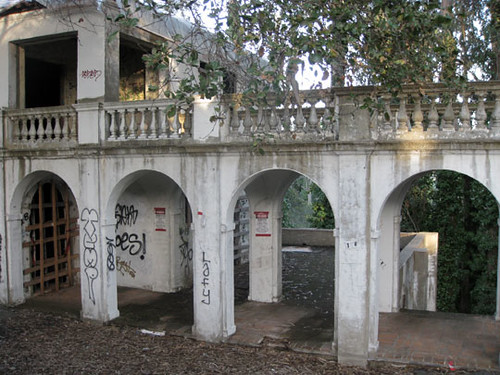

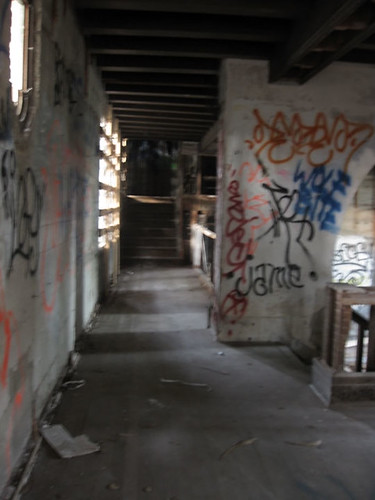

:: UrbEx Series :: Shells ::

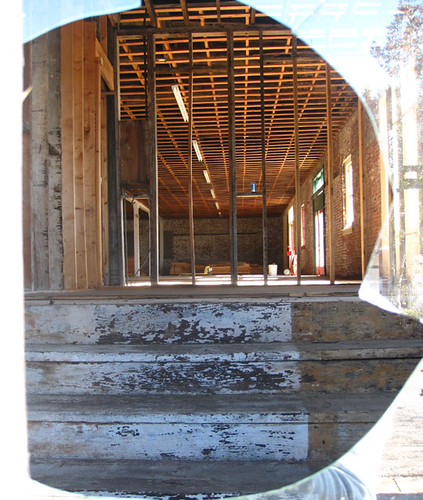
not seashells… but building shells

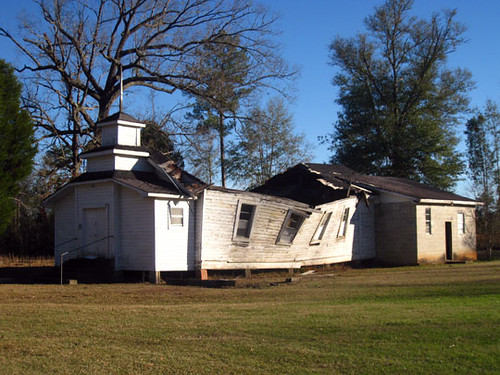
the picture above illustrates whats left of the congregational area of the church we looked at during part 2 and part 3 of the Alabama Back Roads Series

if you enjoy abandoned stuff.. click here.
:: Alabama Back Roads pt 3 ::
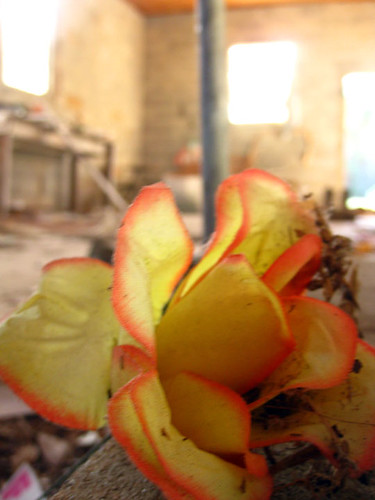
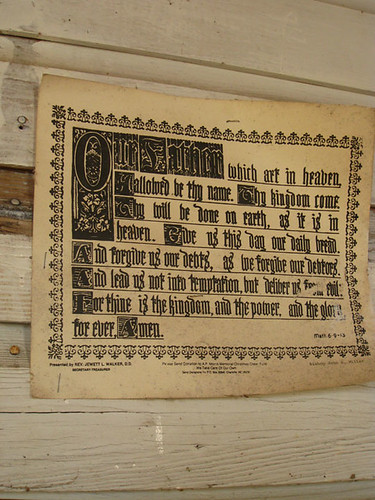
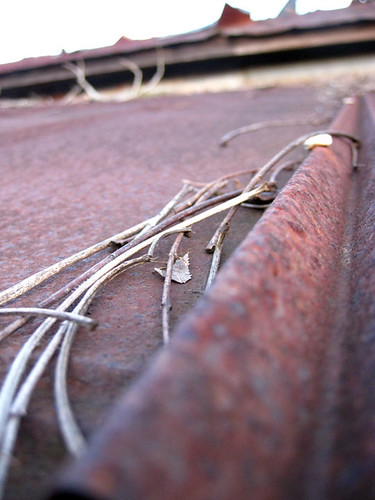
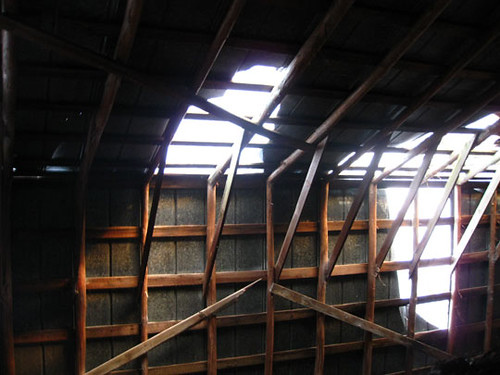
In part 2 of this series, we saw a severely damaged church … these next 3 pictures were taken in the back quarters of the building.

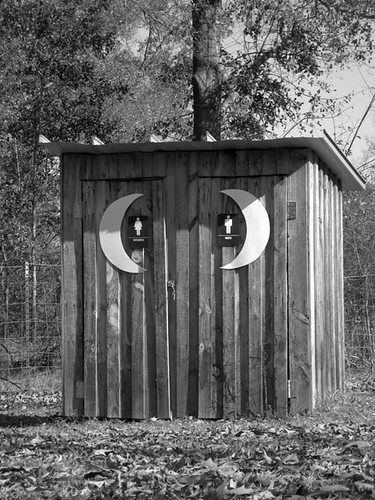
before you start jumpin’ to conclusions, let me interject a crucial piece of humility and customs here. This outhouse is for show (duh), but traditionally the outhouse would be placed behind the house, not out front as this is.


:: Alabama Back Roads pt 2 ::

We think some malicious foul play occurred here. Although the new church has been constructed about 30 – 40 yards to the right of this damaged old church, clearly razing and removing the debris hasn’t made it onto the “To Do List” yet.
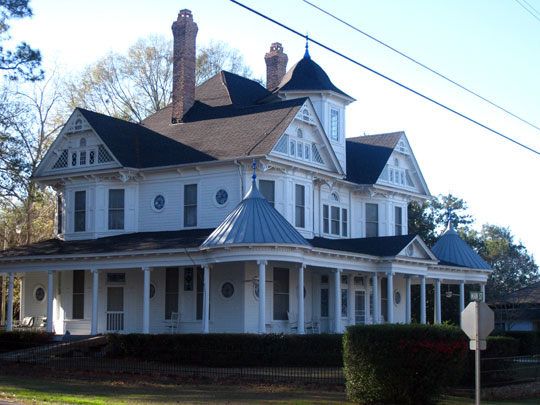
Huge Victorian house in Red Level, AL a tiny dot on the map to which we set off in search of fabled wooden sidewalks; turns out we were probably 150 years too late. It’s possible my source was wrong, but also entirely plausible there was a tiny remnant of the wooden sidewalks in the town somewhere — however, we weren’t going to search for that needle that afternoon.
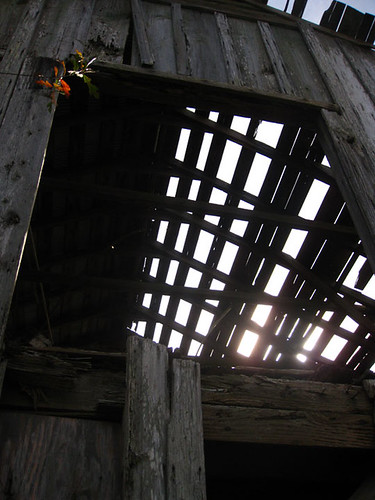
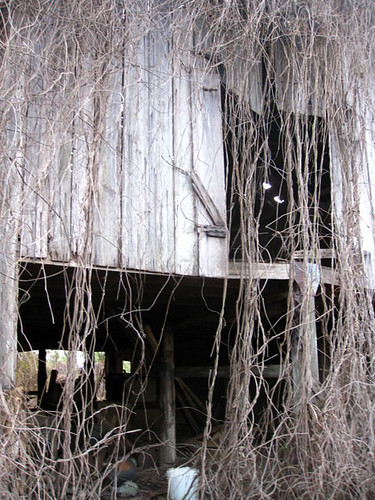
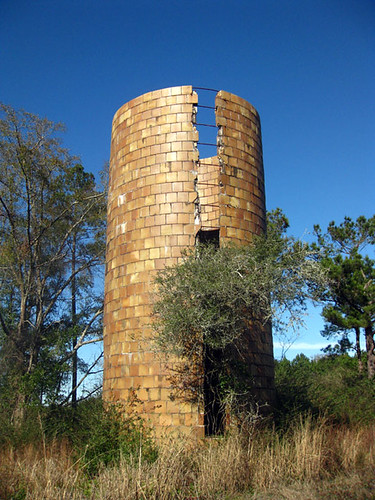

pecan orchard

:: Alabama Back Roads pt 1 ::
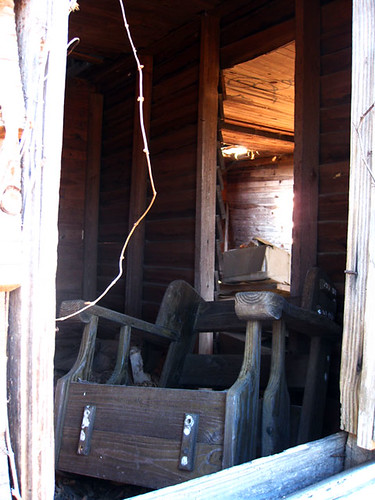
I casually make references to the Southeast section of the United States often in a joking manner e.g…Dirty Dirty, but in all seriousness, the Southeast has seen it’s intricately woven landscape slowly deteriorated over the last several decades.
With traditions that stood stoic and proud for so many people for so long, this area has finally started creeping into the shadows of modernization, concentrating on urban development often to revitalize sagging economy.
Don’t be fooled, there is LOTS and LOTS of old $$$ in the Southeast; afterall this area was starting to see settlement in the early 1700’s, and early profiteers in the cotton industry really banked. One of my WAY earlier posts reflects on this “white gold” trade.

Sugar Cane press

sidewalks in Atmore
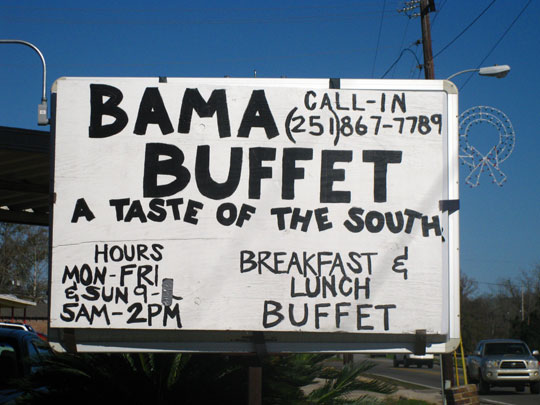
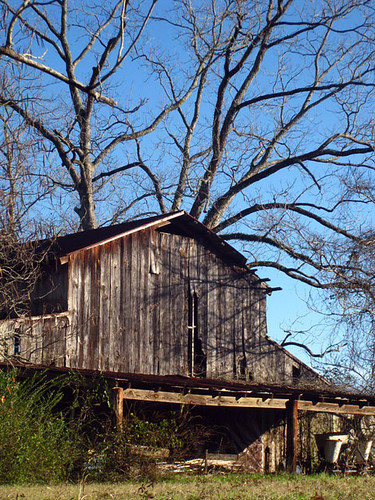
The point of this “Alabama Back Roads” series is to just illustrate a glimpse of fading past and focus on some scenes and images you would only see on true Alabama back roads.
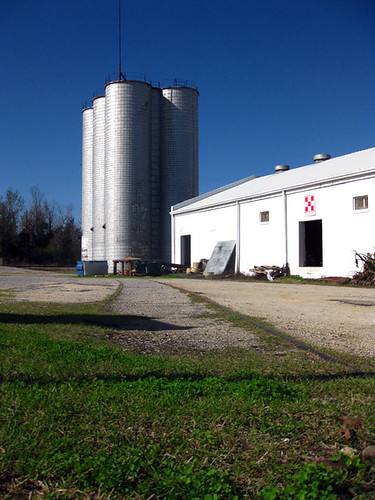
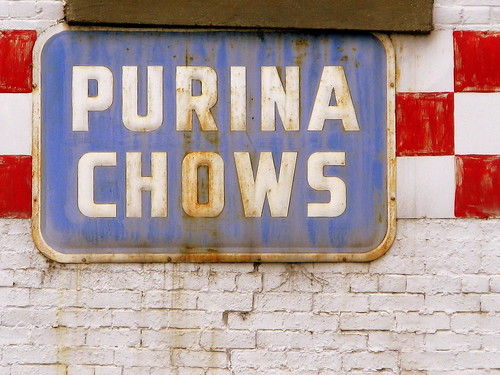
Grain silo’s and Purina Chow emblem… back in the day it was called the “Checker-board Store” where you could get feed for your horse that perhaps you had rode into town for school; the horse would get tied up at a nearby stable and after class you rode it home. horsey gotta eat. Checkboard Store is there for your feed needs.


:: Magnolia Cemetery ::

Early January 2008, I featured some pictures of the famous Church Street Graveyard, today we turn our attention to Mobile’s 3rd oldest municipal graveyard: Magnolia Cemetery
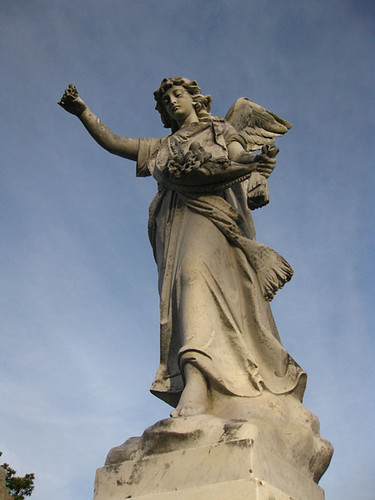
Originally established in 1836 on 36 acres of land, now spreads over 100 acres and contains nearly 100,000 burials. Placed on the National Register of Historic Places in 1986, Magnolia Cemetery is the final resting place for interments dating back to the early 19th century.
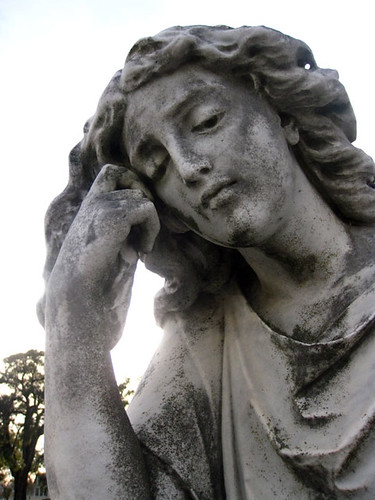
Magnolia Cemetery features very ornate, resplendent architectural and artistic assets that heavily revolves around Neoclassical revivalism, but also features Egyptian and Victorian influences.
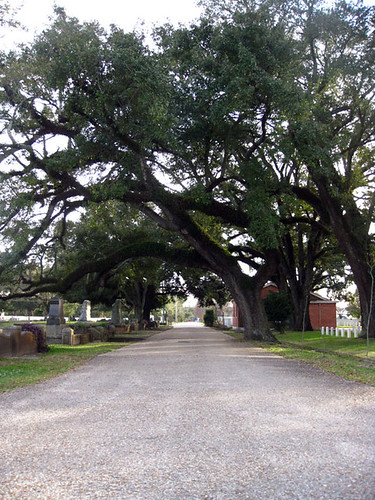
Situated across from Magnolia Cemetery is the National Cemetery where over 5000 fallen veterans of past conflicts are laid to rest. Here you can find over 800 Civil War dead, including 2 relatives of Geronimo and several other Apache Indians.

Additionally, I have also taken a few pics of Rosehill Cemetery in Chicago which you can view here.
If you are ever in Mobile I highly suggest stopping by this sprawling necropolis
:: Mobile Moon Pie and Mardi Gras ::
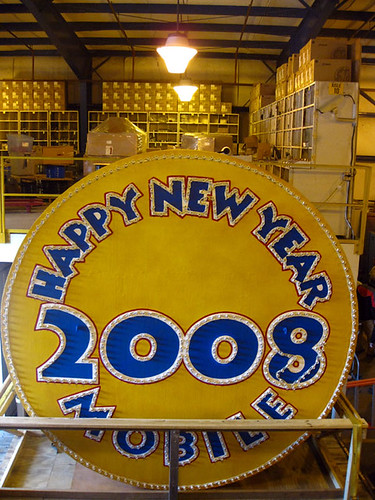
Mobile’s historical associations with Carnival and Mardi Gras is steeped in tradition that spans over 300 years. Of course now an integral part of this celebration is the sugary Moon pie which became the centerpiece (and somewhat controversial topic) for this year’s New Years Eve celebration. Unfortunately, I was not able to make it to downtown’s New Year’s Eve bash, but I was able to get an early sneak peek at it which you see above.
This 12 foot, 600lb Moon Pie was spear headed by Councilman Fred Richardson in order to bring attention and raise awareness of Mobile’s unique cultural standings with its heritage. Richardson main reasons for launching this project:
“It cuts across economic status. It cuts across race. The Moon Pie brings people together,” he said.

Since Fat Tuesday isn’t that far away, I figured I would go ahead and give a shout to Joe Cain and Mobile Mardi Gras.
Mardi Gras was first observed in the New World in 1703 near “Twenty-Seven Mile Bluff” which is technically Old Mobile, 27 miles up the Mobile River.
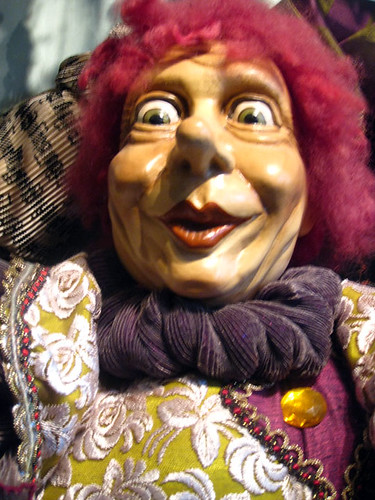
Joe Cain was responsible for bringing Mardi Gras back to Mobile in 1866, which had died out in 1855 due to rowdy violent krewes in the parades.
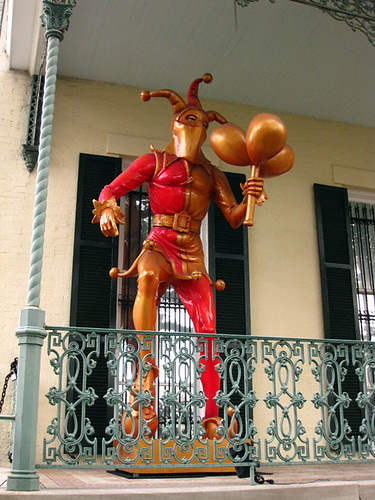
Mobile Carnival Museum headquarters on Government Blvd.
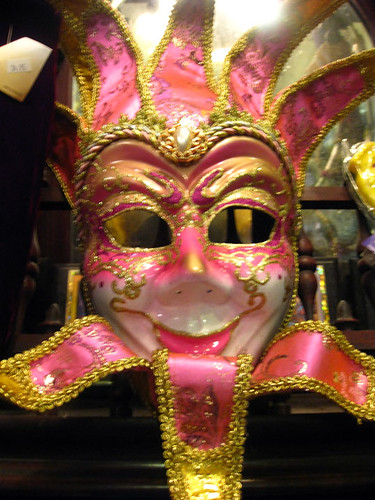
 :: BerDerp™ ::